

Colorado lawsuit claims law on ‘deadnaming’ and ‘misgendering’ infringes on First Amendment
Several organizations and a western Colorado dermatologist have filed a lawsuit seeking to block specific provisions of a recently signed state law that, as originally introduced, would have defined “deadnaming” and “misgendering” as discriminatory acts but whose final version had been heavily modified.
The plaintiffs in the lawsuit included Defending Education, the Colorado Parent Advocacy Network, Protect Kids Colorado, and Do No Harm. Travis Morrell, a Grand Junction dermatologist and member of Do No Harm, is also a plaintiff.
Colorado Attorney General Phil Weiser and Colorado Civil Rights Division members are named as defendants.
All five groups believe that a person’s gender identity “cannot differ from their sex assigned at birth,” the plaintiffs’ lawyers wrote, adding that they do not want to be “forced to affirm — through the use of pronouns, names, or other language — that a biological man is actually a woman or vice versa.”
The lawsuit claims that the law, House Bill 1312, compels the plaintiffs to speak in favor of views they do not support in violation of their First Amendment rights. The complaint also challenges, on speech-based grounds, the requirement that public accommodation cannot advertise that certain people are unwelcome based on their protected characteristics.
On Tuesday, the plaintiffs filed a motion for a preliminary injunction, seeking to block the challenged provisions of the law from being enforced while the litigation unfolds.
The measure, HB 1312, drew national attention from parental rights and LGBTQ advocacy organizations alike during the legislative process.
The bill was heavily amended in the final days of the session, and its final form includes a legislative declaration stating that no Colorado resident may be discriminated against based on a person’s protected class and that the General Assembly supports “freedom of choice,” including seeking “legally protected health-care activities.”
It also requires county clerks and recorders to issue name changes on marriage certificates when requested but leave no indication or mark that the certificate has been modified. It also allows an individual to change the sex designation on their driver’s license up to three times instead of just once before being required to submit a court order.
Finally, the bill permits students to choose from any options provided in a dress code policy.
Gov. Jared Polis signed the bill into law less than a week ago.
The suit mentions two recent high-profile Supreme Court cases out of Colorado: Masterpiece Cakeshop vs. Colorado Civil Rights Commission and 303 Creative vs. Elenis. In both cases, the court ruled that business owners cannot be required to provide services to same-sex couples, as it could violate their First Amendment rights.
In the latter case, the nation’s highest court “warned Colorado that, even if it can require businesses to ‘work with all people,’ it could not use its antidiscrimination laws to compel a website designer to create content endorsing a message with which she disagreed,” the lawsuit states.
The suit argues that a court may issue a similar ruling regarding the use of preferred names and pronouns, adding that the organizations named often host meetings, summits and other events in places of accommodation in Colorado and use “biologically accurate pronouns and birth names” at those events, “even if those pronouns or names conflict with an individual’s self-professed gender identity or gender expression.”
In the lawsuit, Morrell says he uses his patients’ biological gender identity in his practice and believes doing otherwise is harmful to the individual “because it encourages them to believe in a falsehood about themselves and discourages them from seeking proper care to address their gender dysphoria.”
Morrell adds he also regularly attends public speaking events in places of public accommodation and wants to continue to be able to use individuals’ birth names and genders, as “speaking truth is critical to his work.”
The suit argues the law “punishes” people who refuse to refer to someone by their chosen name and pronouns and “suppresses” traditional beliefs about sex and gender.
“In other words, the law openly discriminates based on viewpoint,” the lawsuit continues.
The Colorado Civil Rights Division and Attorney General’s Office refused to comment, saying the litigation is pending.

An April Fool’s Day to remember | Capitol M | Week of April 4, 2026
Marianne Goodland
marianne.goodland@coloradopolitics.com
Updated 2 days ago
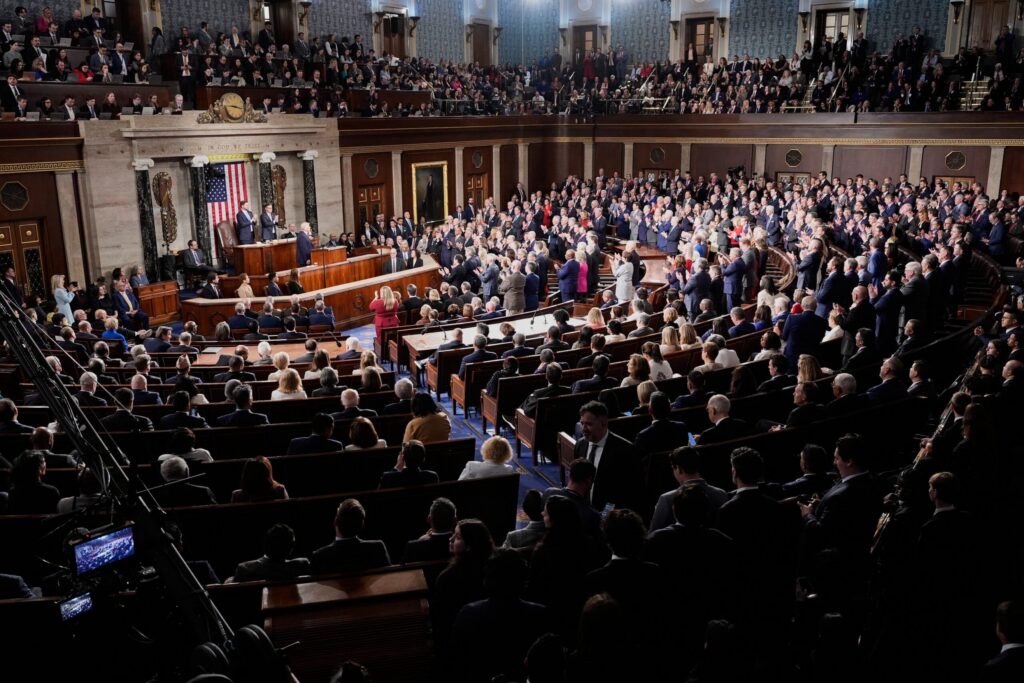
The lighter side of the Capitol, and if light were weight, the Capitol would have lifted off better than the Artemis II rocket on April Fool’s Day. There was a plethora of Fools at the Capitol for April Fool’s Day...
Democrats rebounding without learning necessary lessons | SONDERMANN
Eric Sondermann
eric-sondermann@coloradopolitics.com
Updated 13 hours ago
“When we fight, we win!” That, reportedly, was the chant heard over and over again at the Colorado Democratic Assembly a week ago. It suggests that pugilism has been the piece missing from the Democratic toolkit. Perhaps it was just...

Colorado Politics Calendar Apr. 6-12
Rachael Wright, Special to Colorado Politics
rachael.wright@coloradopolitics.com
Updated 4 days ago
CoPo’s weekly political calendar will help you find political and public-policy events throughout Colorado. It includes candidate and issue campaign events, public policy meetings, court hearings, state and local party conventions, assemblies, debates, rallies, parades, speaking engagements, traveling dignitary appearances,...
Federal judge sides with Mesa County school district in ex-student’s First Amendment claims
Michael Karlik
michael.karlik@coloradopolitics.com
Updated 1 day ago
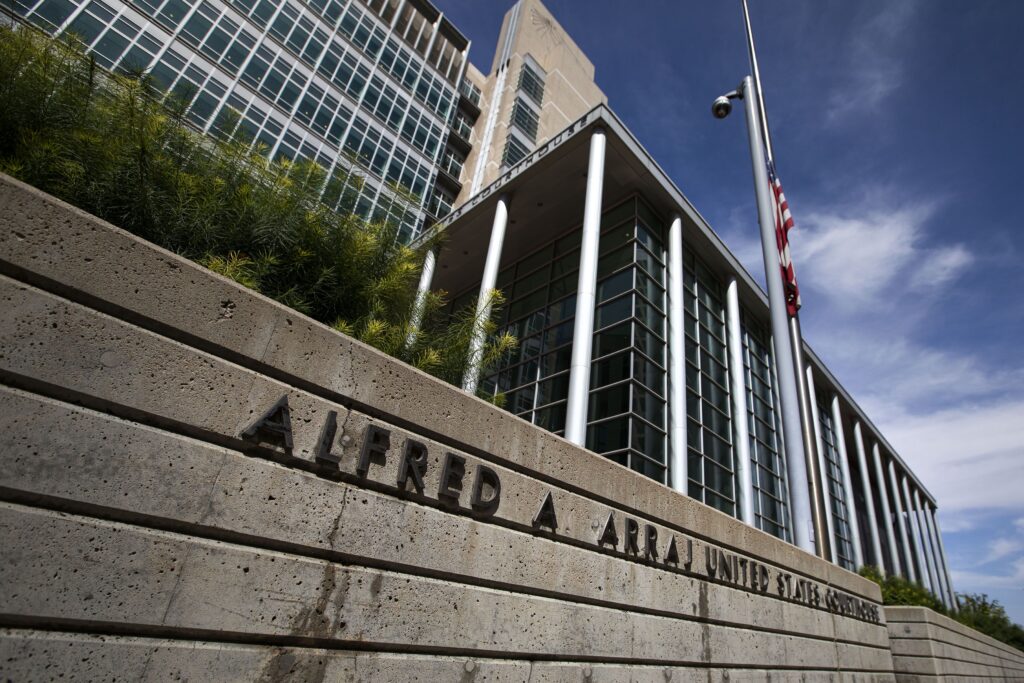
A federal judge concluded last week that Mesa County Valley School District 51 and three of its administrators did not violate the First Amendment rights of a former student when they imposed minor discipline in response to disruptive behavior. In...

Colorado Supreme Court intervenes in 4 ongoing cases
Michael Karlik
michael.karlik@coloradopolitics.com
Updated 1 day ago
The Colorado Supreme Court recently moved to intervene in four ongoing cases, including two criminal prosecutions, a civil lawsuit, and a child welfare proceeding. At least four of the court’s seven members must agree to hear a case outside of...
Colorado ski resorts announce early closures amid historic snowpack lows, high temperatures
Kyla Pearce
kyla.pearce@gazette.com
Updated 11 hours ago
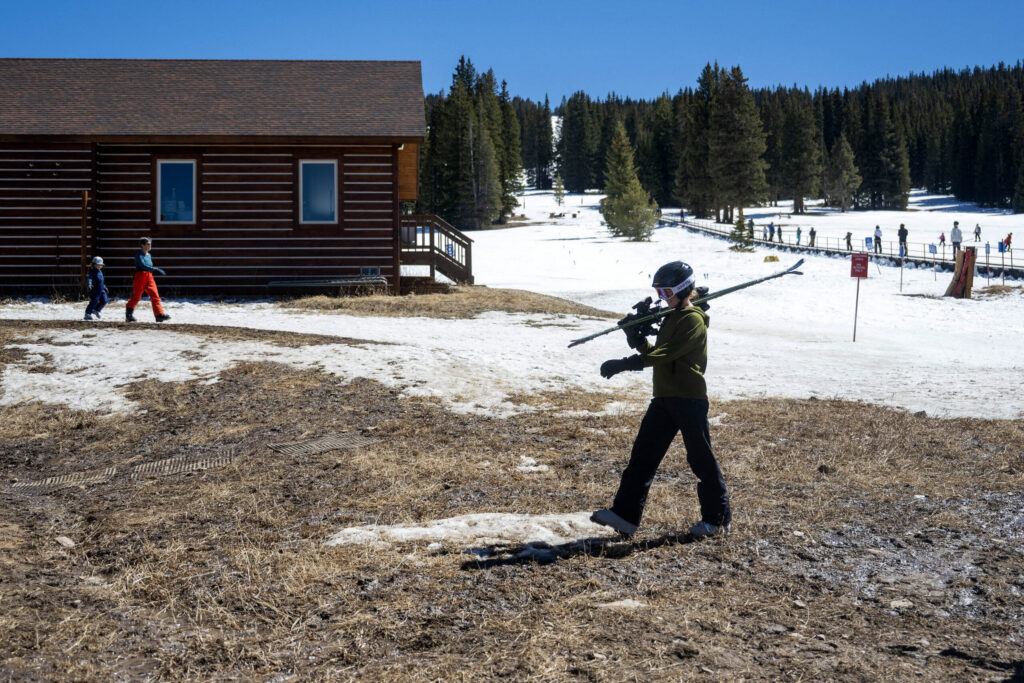
Vail Resorts is the latest area to announce season closure Wednesday As Colorado’s historically low snowpack year comes to a close and spring conditions take over the mountains, the state’s major ski resorts are announcing closing dates — some of...
Kentucky Gov. Andy Beshear set to headline Colorado Democrats’ annual fundraising dinner
Ernest Luning
ernest.luning@coloradopolitics.com
Updated 1 day ago
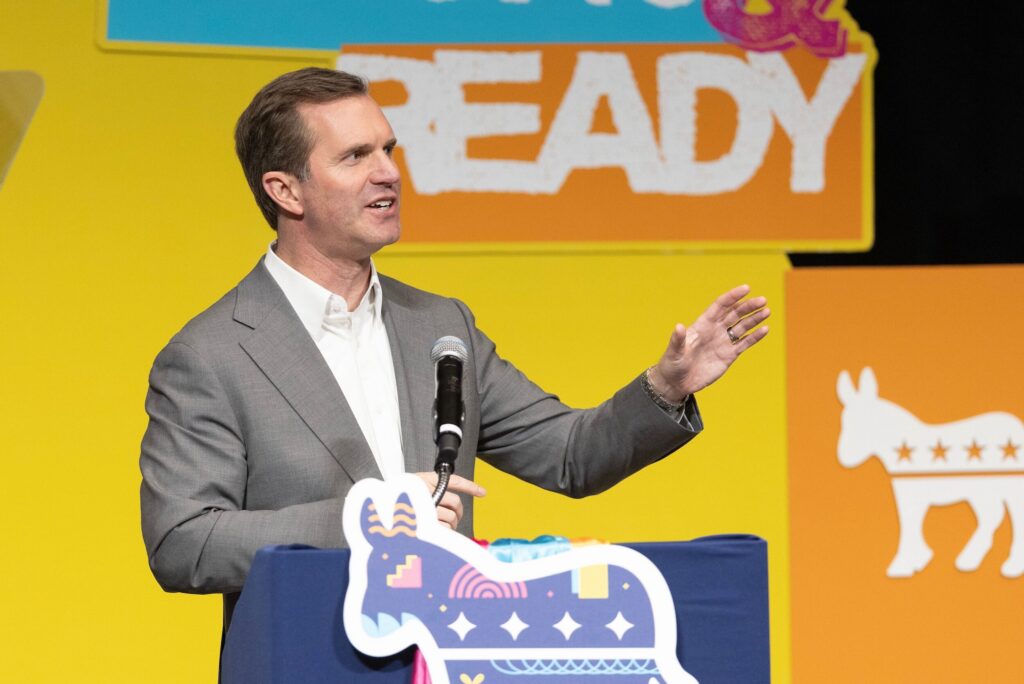
Kentucky Gov. Andy Beshear, one of the Democrats’ top 2028 presidential prospects, is scheduled to deliver the keynote address at the Colorado Democratic Party’s annual fundraising dinner in June in Denver, the party said Friday. Serving his second term as...
Gov. Polis names new leaders for Colorado health agencies in wake of Medicaid turmoil
Marianne Goodland
marianne.goodland@coloradopolitics.com
Updated 1 day ago
Gov. Jared Polis, on Thursday, announced he was appointing Gretchen Hammer to serve as acting executive director of the Colorado Department of Health Care Policy and Financing, and deputy executive director Stephanie Beasley to become the next commissioner of the...

Federal judge releases man immediately as consequence for immigration judge disobeying orders
Michael Karlik
michael.karlik@coloradopolitics.com
Updated 1 day ago
A federal judge ordered a man’s immediate release from immigration detention on Thursday after finding an immigration judge disregarded his prior orders requiring a bond hearing. For the past year, Colorado’s federal district court has faced a flood of “habeas corpus”...
Colorado sues Trump administration, calling new election order ‘unconstitutional’
Marissa Ventrelli
marissa.ventrelli@coloradopolitics.com
Updated 11 hours ago
Colorado Attorney General Phil Weiser has joined a multistate coalition suing President Donald Trump over a new executive order on elections, arguing the directive unlawfully intrudes on states’ authority to run their own voting systems and threatens access to mail...