

On #coleg’s agenda: plugging Colorado’s pipeline to black-market pot
Colorado’s homegrown has a way of wandering out to the street, and the governor and some lawmakers say it’s time to ground the state’s legal pot market, Kristen Wyatt of the Associated Press reported Wednesday.
Colorado law allows individual medical marijuana patients to grow up to 99 plants, which is a big stash for one person. Recreational tokers can grow six plants each, but state laws allows them to organize into co-ops that can grow a pretty big patch of grass that’s neither tracked nor taxed.
Once the legislative session starts in January, lawmakers might eliminate the recreational co-ops and create more rules and paperwork to keep a closer watch on where medical pot winds up, according to the AP.
A loosely regulated Colorado pot paradigm could draw the attention of the new Republican administration. Pot-hating attorney general pick Jeff Sessions isn’t likely to look the other way, despite Trump’s states rights view on the subject so far, if he thinks Colorado can’t control its cannabis.
And Colorado doesn’t want to be known as a pipeline to black market pot in other states.
“Colorado Gov. John Hickenlooper says the state’s generous pot allowances make it almost impossible for cops to tell legitimate growers from black-market fronts,” Wyatt reports.
Nebraska and Oklahoma tried to sue Colorado over its wayward pot before the Supreme Court declined to hear the case in March.
Interestingly enough, the dogged anti-pot state prosecutor from Oklahoma, Scott Pruitt, is set to be Donald Trump’s nominee to be the new head of the Environmental Protection Agency.
Andrew Freedman, the governor’s marijuana coordinator, said the black market is alive and well in Colorado, pointing the AP to recent criminal cases.
And it isn’t going unnoticed in Washington.
“We’re hearing from federal officials, ‘Hey listen, this is a concern,'” Freedman told Wyatt.


10th Circuit agrees Colorado Springs paramedic, officer not liable for constitutional violations in man’s death
Michael Karlik
michael.karlik@coloradopolitics.com
Updated 8 hours ago
The Denver-based federal appeals court decided on Monday that a Colorado Springs paramedic and police officer could not be held liable for constitutional violations for their roles in restraining a man in a mental health crisis, leading to his death....
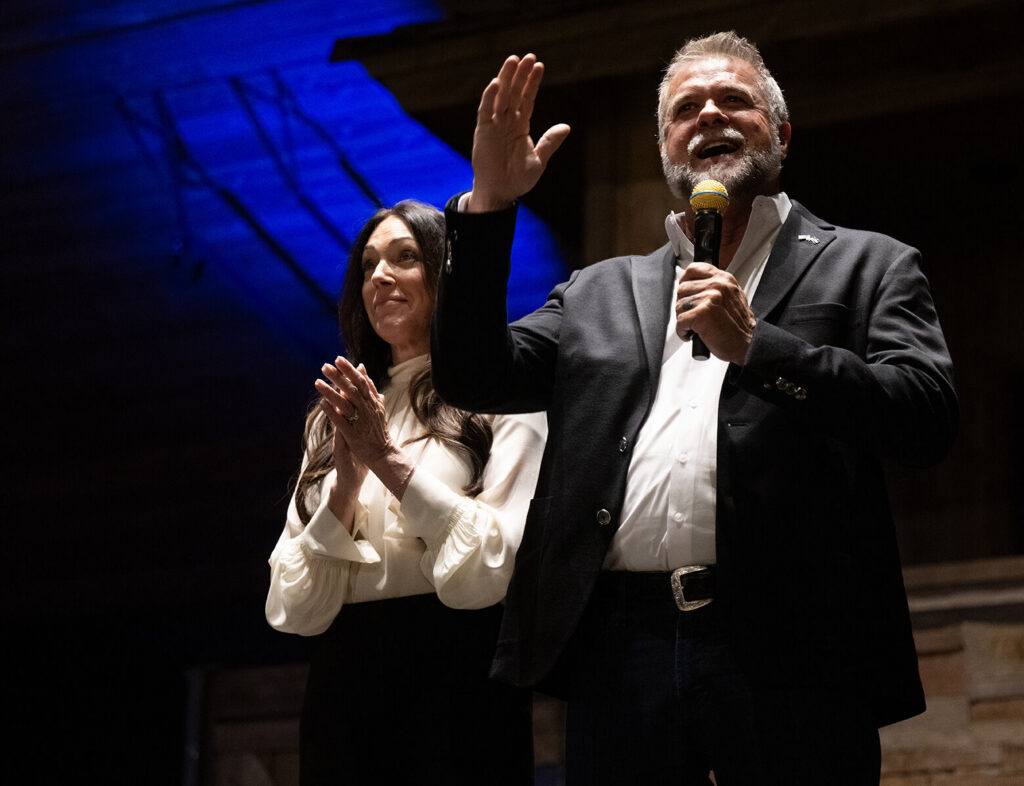
Republican Victor Marx maintains slim lead over Barb Kirkmeyer in Colorado gubernatorial primary
Ernest Luning
ernest.luning@coloradopolitics.com
Updated 7 hours ago
Republican Victor Marx held on to a narrow lead Monday over state Sen. Barb Kirkmeyer as county clerks continued to count ballots in Colorado’s gubernatorial primary. Following an update posted at 3:30 p.m. by the Colorado Secretary of State’s Office,...
10th Circuit revives Colorado voter intimidation lawsuit due to judge’s error
Michael Karlik
michael.karlik@coloradopolitics.com
Updated 12 hours ago
The Denver-based federal appeals court on Monday reversed a trial judge’s finding that the leaders of an “election integrity” effort had not illegally intimidated Colorado voters through an organized door-to-door canvassing project to search for election fraud in the wake...

State Supreme Court’s final decisions of term, Trump’s judicial nominee appears before Senate | COURT CRAWL
Michael Karlik
michael.karlik@coloradopolitics.com
Updated 8 hours ago
Welcome to Court Crawl, Colorado Politics’ roundup of news from the third branch of government. The state Supreme Court has released its final opinions before its summer recess, plus the president’s nominee for the Denver-based federal appeals court fielded questions...
Colorado joins 24-state challenge to USPS rule tied to Trump election order
Marissa Ventrelli
marissa.ventrelli@coloradopolitics.com
Updated 6 hours ago
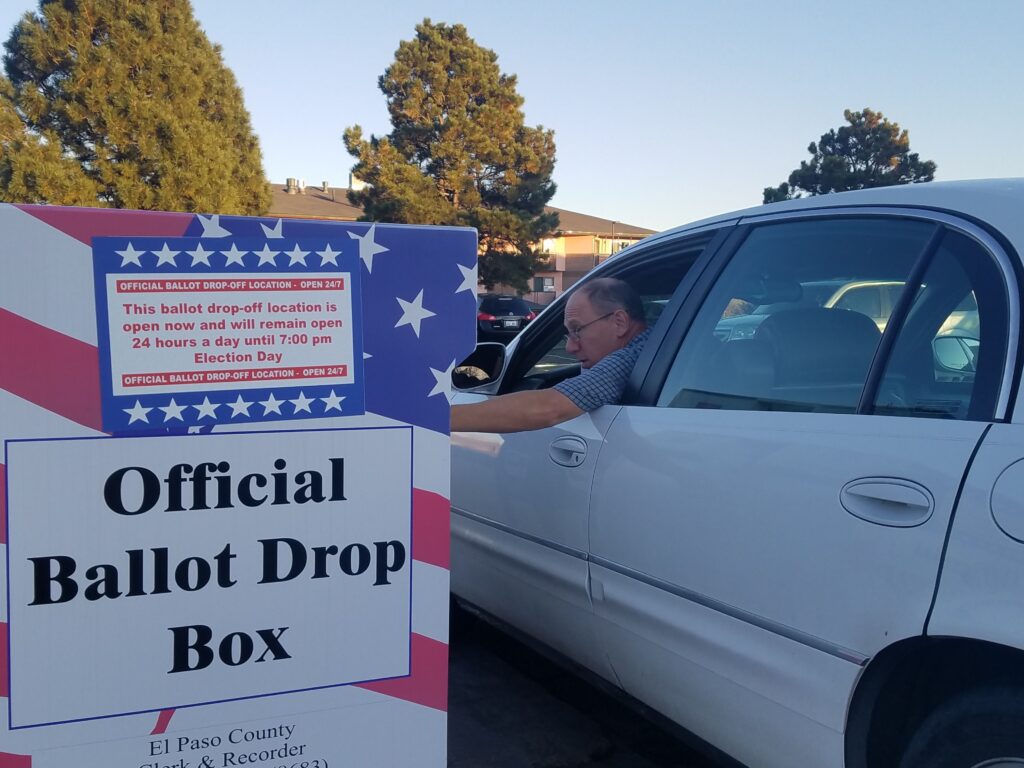
The Colorado Attorney General’s Office joined 24 state attorneys general in filing a formal complaint against what it called the U.S. Postal Service’s attempt to aid President Donald Trump’s efforts to seize control of elections and restrict mail-in voting. In...
Wyoming governor sues state board, asks court to enforce property tax cap | OUT WEST ROUNDUP
The Associated Press
the-associated-press@coloradopolitics.com
Updated 6 days ago
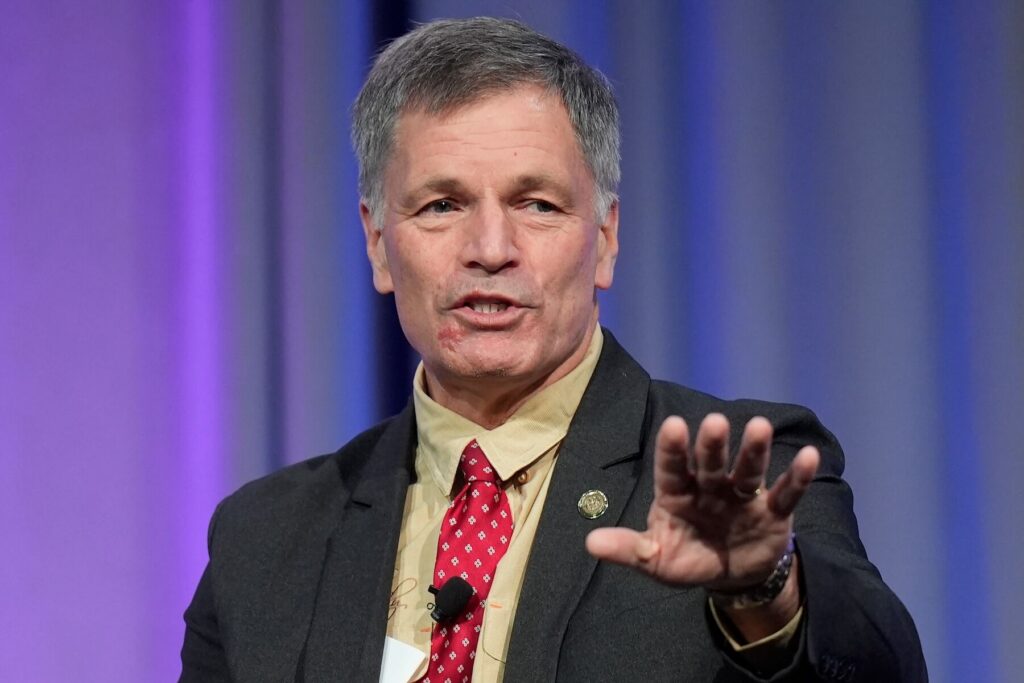
WYOMING Governor sues over property tax cap Gov. Mark Gordon filed a lawsuit on June 16 to force the State Board of Equalization to certify residential property tax values after the panel concluded it could not do so due to...

25 lessons and wishes to celebrate America’s 250th | SONDERMANN
By Eric Sondermann
by-eric-sondermann@coloradopolitics.com
Updated 6 days ago
The 250th celebration of America’s birth is upon us. There is undoubtedly much to salute. Despite plenty of strife and discontent at home, America remains a beacon to much of the world. The wisdom of our founders has largely withstood...

Colorado Politics Calendar July 6-12
Rachael Wright, Special to Colorado Politics
rachael.wright@coloradopolitics.com
Updated 6 days ago
CoPo’s weekly political calendar helps you find political and public policy events throughout Colorado. It includes candidate and issue campaign events, public policy meetings, court hearings, state and local party conventions, assemblies, debates, rallies, parades, speaking engagements, traveling dignitary appearances,...
Democratic Colorado rural congressman threatens to caucus with GOP to preserve PILT | A LOOK BACK
Rachael Wright, Special to Colorado Politics
rachael.wright@coloradopolitics.com
Updated 5 days ago
Forty-Five Years Ago This Week: “It’s sometimes like talking to a brick wall,” said Colorado Congressional District 3 U.S. Rep. Ray Kogovsek. Kogovsek was frustrated at the lack of support from congressional representatives from the East Coast and the Midwest...

Victor Marx holds a steady lead over Barbara Kirkmeyer in Colorado Republican governor contest
Thelma Grimes
thelma.grimes@coloradopolitics.com
Updated 4 days ago
Victor Marx overtook state Sen. Barbara Kirkmeyer in the Republican primary for governor on Wednesday evening, seizing a narrow lead after trailing her since polls closed. Kirkmeyer, one of three candidates, opened the night with a clear advantage, at one...