

As #coleg session nears, state gridlocked again over highway funding
Colorado wants a tricked-out Corvette for its highways, but it only has the income for a Ford Pinto, metaphorically speaking.
The Colorado Department of Transportation has identified $9 billion in needs measured against a total $1.41 billion budget next year. That budget already is over-burdened with maintenance requests, the highway department told legislative budget writers Wednesday.
The lopsided ledger between what the state needs and what it can afford explains why there are daily traffic jams up and down the Front Range and an open-ended timeline to drive from the mountains to the city after a Sunday of skiing, and it is why legislators are ready to duke it out over transportation funding once again.
The transportation department made its case to the sympathetic bipartisan Joint Budget Committee Thursday, but no new solutions were floated.
Sen. Randy Baumgardner, a Republican from Hot Sulphur Springs who chairs the Senate Transportation Committee, said polling shows a gas tax won’t fly,
“If we’re going to move transportation forward in this state, we’re going to have to come up with some creative ideas to make this happen.” Baumgardner said. “There have been creative ideas in the past that have not fared well.”
He concluded, “It’s not a Democrat-Republican thing. It’s a people of Colorado thing, and we’re going to have to figure this out.”
Republicans tilt toward borrowing $3.5 billion to pay for a list of high-need projects. Democrats oppose it, saying the money to repay those bonds would come from the highway maintenance fund, which can’t afford it.
To balance a tight state budget, Gov. John Hickenlooper has proposed cutting the state General Fund’s contribution to transportation by 41 percent over the next two years, to about $79.5 million a year.
By comparison, Utah spends $600 million solely for expanding roads to carry more cars with less congestion, according to a CDOT analysis.
Maria Sobota, CDOT’s chief financial officer, said that about half of the state highway department’s budget comes from state and federal gas taxes. The state tax contributes about 23 percent. Vehicle registrations account for about 8 percent, and state FASTER revenue from fees and fines chips in about 8 percent.
Gas tax money, the cash cow, is drying up as newer vehicles get better gas mileage, she said.
“Although the vehicles that are electric put wear and tear on our roads, they pay less gas tax to do so, which puts constraints on our revenues,” she added.
The state hasn’t raised the gas tax since 1991, Sobota pointed out.
“A dollar in 1991 is worth approximately 32 cents today,” she said. “The department is definitely constrained in the amount of dollars it has in purchasing power today than it did in 1991.”
CDOT executive director Shailen Bhatt said the governor’s budget request would still allow CDOT’s Interstate 25 North widening project and keep federal highway matching grants.
“I think there’s a disconnect in Colorado in what people want and what we have money for,” Bhatt said.
With the proposed $1.41 billion budget, CDOT must maintain about 3,500 bridges and 23,000 lane miles, as well as plow 6.1 million miles per year, including 35 mountain passes, along with a a division of transit and rail, he said.
“CDOT does not have robust revenue sources for expansion,” Sobota added. “We have really become a maintenance organization.”
Bhatt said the state has identified $9 billion in pending “unfunded priorities” that includes 130 major highway projects, transit, operations and some bike paths over the next 10 years.
From those, the highest priorities account for $2.5 billion-about $1 billion for widening I-25 to the north and south of Denver, a peak-period shoulder lane west of Denver into the mountains, as well as adding needed climbing lanes and widening parts of U.S. 50.
“There’s $2.5 billion in projects we could get started on right now, but we just don’t have the funding,” Bhatt said.
He said if the money was presented, CDOT would provide a schedule for each project “so that Coloradans would have certainty around the delivery of these projects.”
Kevin Grantham, a Republican from Canon City who is set to become Senate president when the next session gavels in on Jan. 11, said in an interview Thursday afternoon that he’s wide open to a workable solution to fund roads.
Nothing has been simple about the ideas that have been presented so far, he said.
“Every problem that’s part of the solution has a dozen other problems that go with it,” he said. “And that’s before you get to the party differences we’re going to have to navigate.”

Judge rules that Colorado law makes it too hard for parties to bar unaffiliated voters from primaries
Ernest Luning
ernest.luning@coloradopolitics.com
Updated 10 hours ago
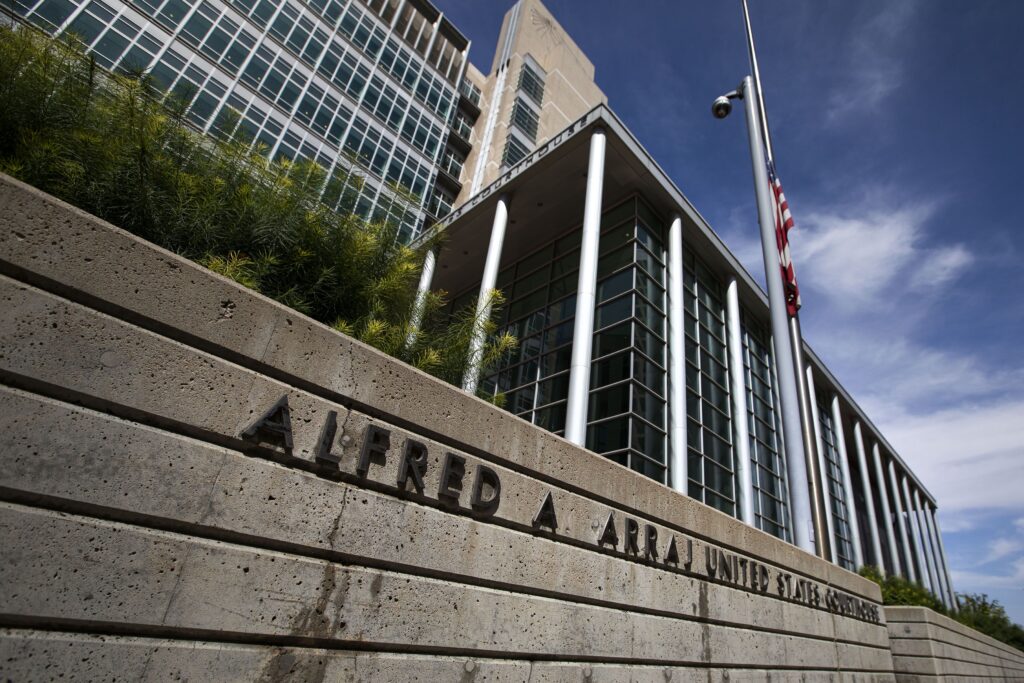
A federal judge ruled in favor of the Colorado Republican Party late Tuesday, saying that a portion of the state law that allows unaffiliated voters to cast ballots in party primaries is unconstitutional because it imposes an unrealistic burden on...

10th Circuit upholds regulator’s methodology for Tri-State exit fees
Michael Karlik
michael.karlik@coloradopolitics.com
Updated 13 hours ago
The Denver-based federal appeals court upheld a regulatory agency’s methodology for calculating the fee owed by entities seeking to withdraw from Tri-State Generation and Transmission Association last week. Tri-State is a Westminster-based cooperative that provides and transmits electricity to member...
Federal judge proposes sanctions against Mike Lindell’s lawyers for continued fake citations
Michael Karlik
michael.karlik@coloradopolitics.com
Updated 14 hours ago
A federal judge is once again pursuing sanctions against lawyers for MyPillow CEO Mike Lindell for continuing to cite to court cases that do not exist, likely based on the faulty output of artificial intelligence tools. Last year, a jury...
Front Range cities oppose Democratic proposal to permit lot‑splitting as a path to affordable housing
Marianne Goodland
marianne.goodland@coloradopolitics.com
Updated 14 hours ago
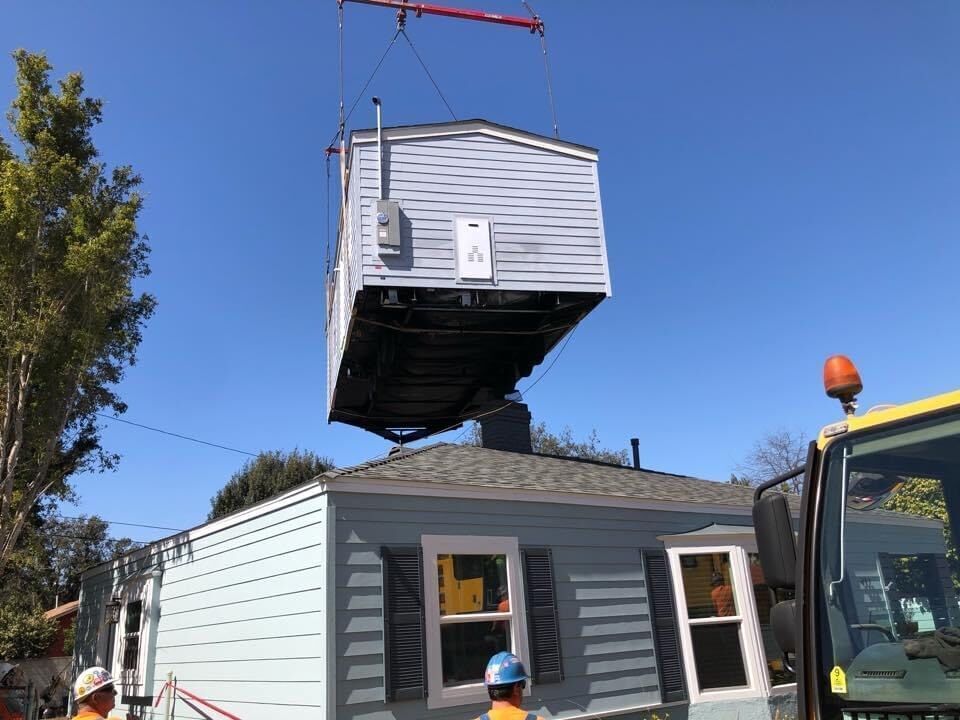
Colorado lawmakers are pressing ahead with a plan to let homeowners split their lots to make room for smaller, more affordable houses. The proposal has drawn sharp opposition from Aurora, Colorado Springs, Denver and other Front Range cities that argue...
Susan Blanco signals views on role of appellate courts in first opinion as Colorado justice
Michael Karlik
michael.karlik@coloradopolitics.com
Updated 17 hours ago
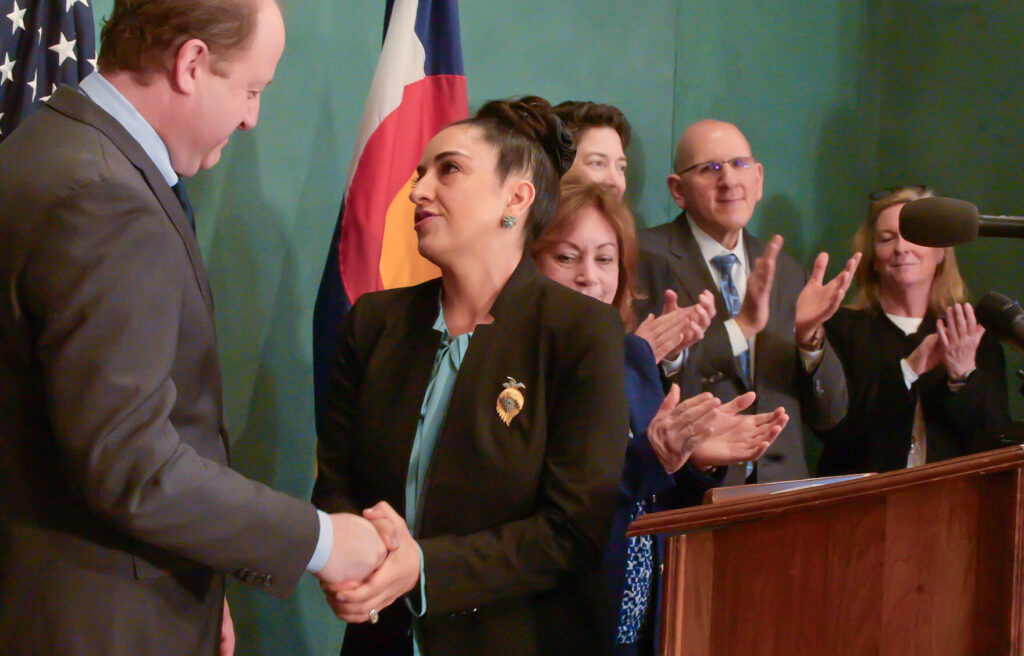
Justice Susan Blanco’s first solo opinion as a new member of the Colorado Supreme Court made clear her view of the guardrails that keep the state’s highest court tethered to the issues it is asked to decide. On Monday, the...

Hegseth features Fort Carson soldiers after returning from Middle East, gives warning on Iran war
Reuters
reuters@gazette.com
Updated 18 hours ago
Defense Secretary Pete Hegseth said on Tuesday the next few days in the war against Iran would be decisive and warned Tehran that the conflict would intensify if it did not make a deal. Hegseth also highlighted his trip to the Middle...
Denver Council narrowly approves deal with Axon
Deborah Grigsby
deborah.smith@denvergazette.com
Updated 21 hours ago
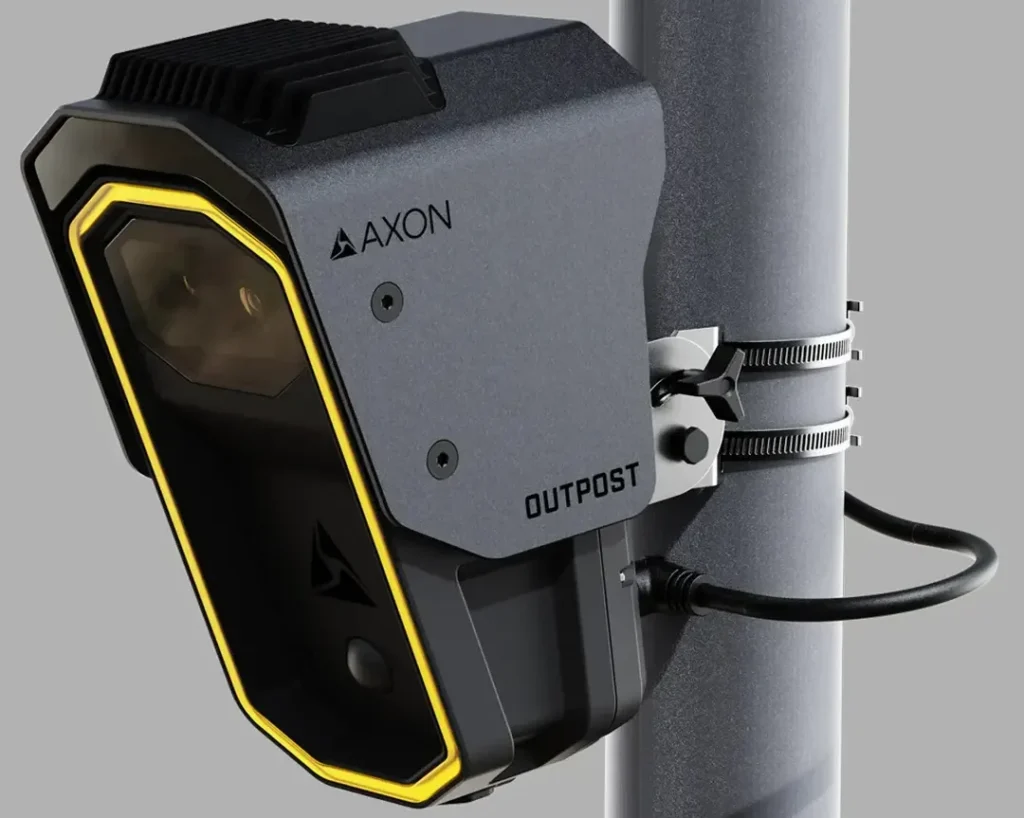
After weeks of delay, the Denver City Council narrowly approved a one-year $150,000 contract with Axon for 50 automated license plate-reading cameras and the necessary system hardware, replacing the city’s former vendor, Flock. The 7-6 vote came during Tuesday’s regular...

Colorado leaders weigh next steps after Supreme Court rejects state ban on ‘conversion therapy’
Marissa Ventrelli
marissa.ventrelli@coloradopolitics.com
Updated 1 day ago
Colorado leaders said they are weighing next steps after the U.S. Supreme Court on Tuesday rejected the state’s ban on “conversion therapy” for children, as critics and supporters cheered or lambasted the ruling. The court’s near-unanimous decision called the Colorado...
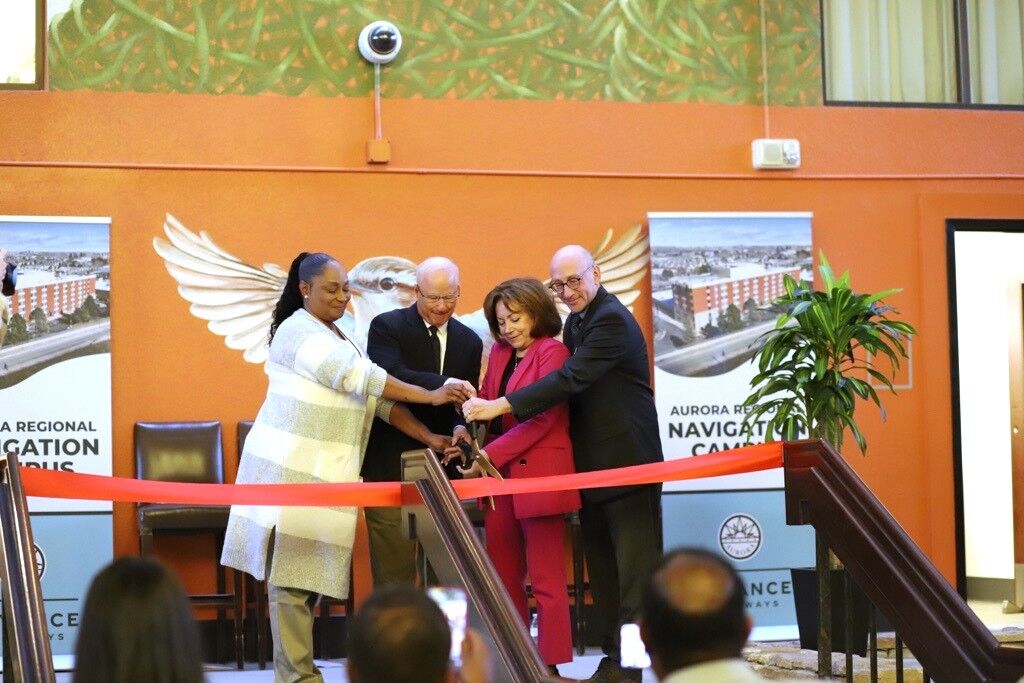
Aurora homeless shelter opened too early, CEO says, as mold and plumbing issues emerge
Kyla Pearce
kyla.pearce@gazette.com
Updated 21 hours ago
Aurora’s largest homeless services project launched “way too early,” its CEO told city leaders Tuesday, saying the rushed opening left residents living amid mold, plumbing failures, and other issues inside the former hotel. During Tuesday’s Housing, Neighborhood Services and Redevelopment...
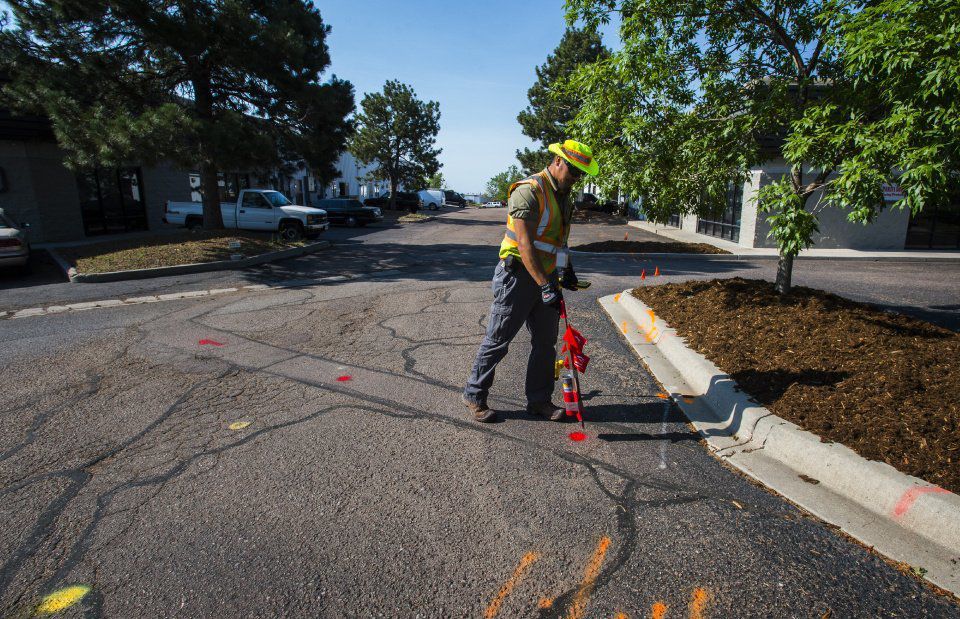
Gov. Polis declares April ‘dig safely month’ to mark 40th anniversary of Colorado 811
Scott Weiser
scott.weiser@gazette.com
Updated 21 hours ago
Gov. Jared Polis declared April 2026 as “Dig Safely Month” in Colorado, an annual observance that this year highlights the 40th anniversary of Colorado 811, the state’s One-Call Notification System. “Before everyone starts their warm weather projects around the house,...